


Solid Wood Furniture Guides and Buying Advice
Solid wood furniture: a guide to types, joints, and care

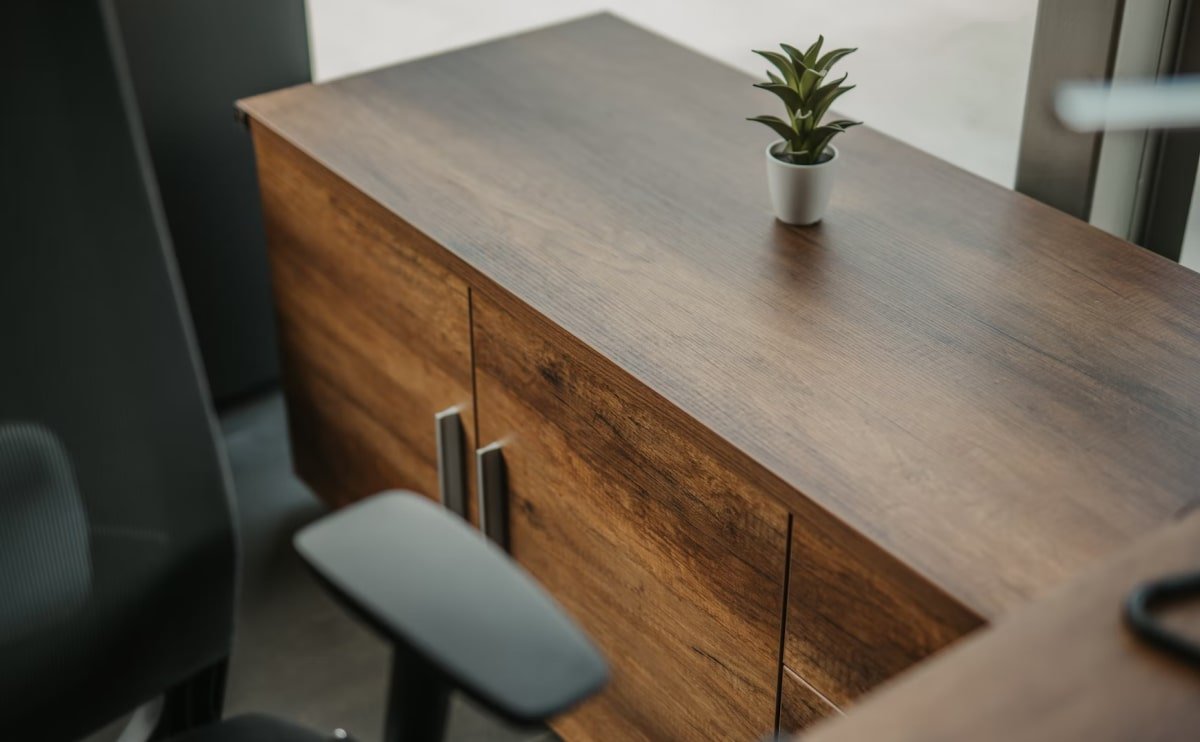
Solid wood, engineered wood, and what the labels actually mean
Furniture listings use “wooden” to cover materials that behave completely differently. The distinction worth learning:
- Solid wood: planks cut from a tree. Repairable, sandable, long-lived, and it moves with the seasons.
- Plywood: thin veneers cross-laminated. Very stable, strong, and resists warping better than solid wood. Good plywood is genuinely good furniture material, not a compromise.
- MDF and particle board: wood fibre or chips bonded with resin. Smooth, cheap, and dimensionally stable, but it cannot be repaired and it swells permanently when wet.
- Veneer: a thin slice of real wood over any of the above. It looks like solid wood because the surface is solid wood, but it cannot be sanded more than once, if at all.
None of these is dishonest. A veneered plywood wardrobe can outlast a badly made solid-wood one. The problem is only when you pay solid-wood prices for engineered board.
The woods you will actually be offered in India
Teak
The benchmark. High natural oil content makes it resistant to water, termites, and rot, which is why it survives Indian climates so well. Expensive, and increasingly sold as “plantation teak” — a legitimate product, though softer and lighter in colour than old-growth.
Sheesham (Indian rosewood)
Dense, strong, and beautifully grained, with a wide colour variation between boards that some people love and others find inconsistent. Very good value against teak. Needs to be properly seasoned or it will crack.
Mango
Sustainable, since it comes from orchard trees past fruiting age, and considerably cheaper. Softer, so it dents from dropped pans and dragged chairs. Fine for low-impact pieces, less so for a dining table with children.
Acacia and rubberwood
Both are affordable hardwoods used widely in flat-pack furniture. Rubberwood in particular is stable and takes finishes well, but is prone to fungal staining if it was not treated promptly after felling.
How to tell seasoned wood from green wood
Unseasoned wood is the single most common cause of furniture that cracks, warps, and develops gaps within the first year. Kiln-dried wood should sit at 8–12% moisture content. You can ask, and a good seller will know.
Without a meter, look for: end grain that is uniformly coloured rather than darker in the middle, no smell of damp sap, and joints that sit flush. Weight is a clue too — a piece noticeably heavier than an identical one is likely still carrying water.
Joints tell you the price of everything
You can judge a piece of wooden furniture in about fifteen seconds by looking at how the parts meet.
- Mortise-and-tenon or dovetail: the good stuff. Interlocking wood, mechanically strong before any glue.
- Dowelled: perfectly adequate for most furniture when well made.
- Screwed with plastic corner blocks: budget construction. It will hold, then it will loosen.
- Stapled: avoid for anything load-bearing.
Open a drawer and look at the front corner. Dovetails there tell you the maker cared about parts you were not going to see.
Finishes and what they cost you later
Oil and wax soak in, look natural, and can be touched up at home with a cloth. They need reapplying every year or two and offer least protection against spills.
Lacquer and PU sit on the surface as a hard film. Excellent protection, but a deep scratch means refinishing the whole panel, which is a workshop job.
Melamine is a printed, sealed surface on engineered board. Hard-wearing and impossible to repair.
Choose oil if you would rather do small maintenance often; choose lacquer if you would rather do nothing and accept that damage is permanent.
Caring for wood in an Indian climate
Humidity swings are what damage furniture here, far more than use.
- Keep solid wood out of direct sunlight; it bleaches unevenly and dries the surface faster than the core.
- In monsoon months, keep pieces a few centimetres off exterior walls so air can move behind them.
- Wipe spills immediately, especially on oiled surfaces and anywhere near an engineered-board edge.
- Use coasters and felt pads. Most “wood damage” is water rings and drag marks.
- Re-oil once a year. It takes twenty minutes per piece and adds years.
- Do not use silicone-based polishes; they build up and interfere with future refinishing.
Small seasonal gaps at joints are normal in solid wood and usually close again when humidity shifts. A gap that keeps widening across a full year is a joint failing, and worth raising under warranty.
Browse solid wood pieces across wardrobes, sideboards, and dining tables.
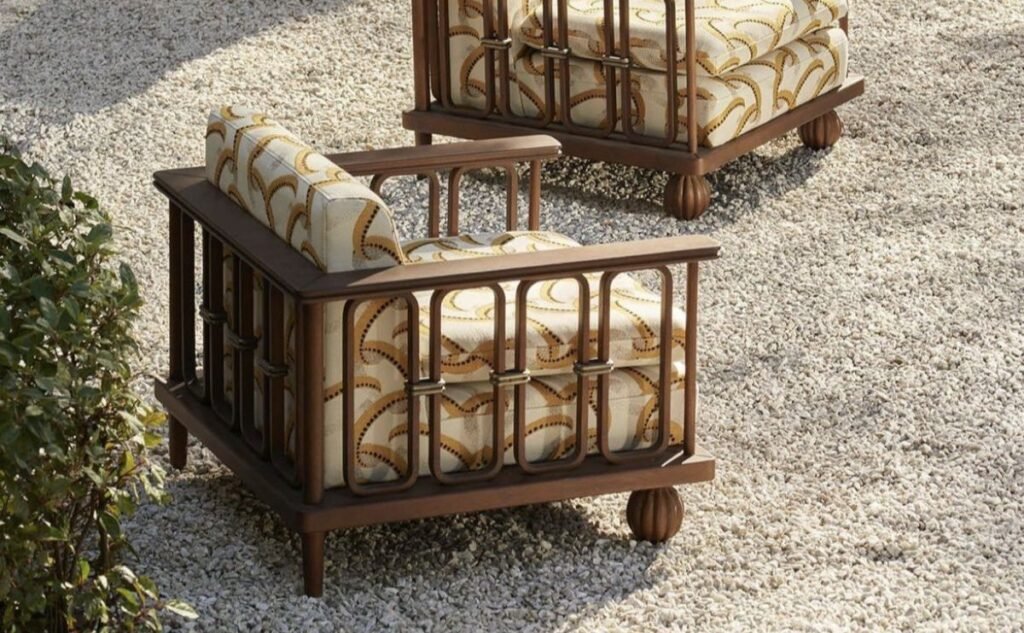
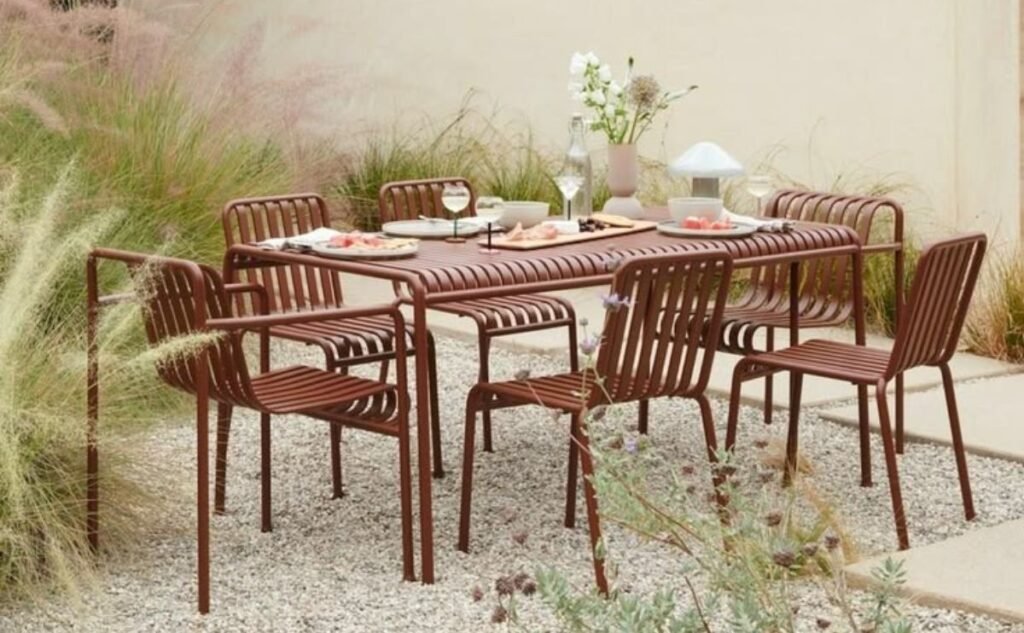


 Arm Chairs
 Dining Chairs