


Solid Wood Furniture Guides and Buying Advice
How to choose an armchair: a buying guide

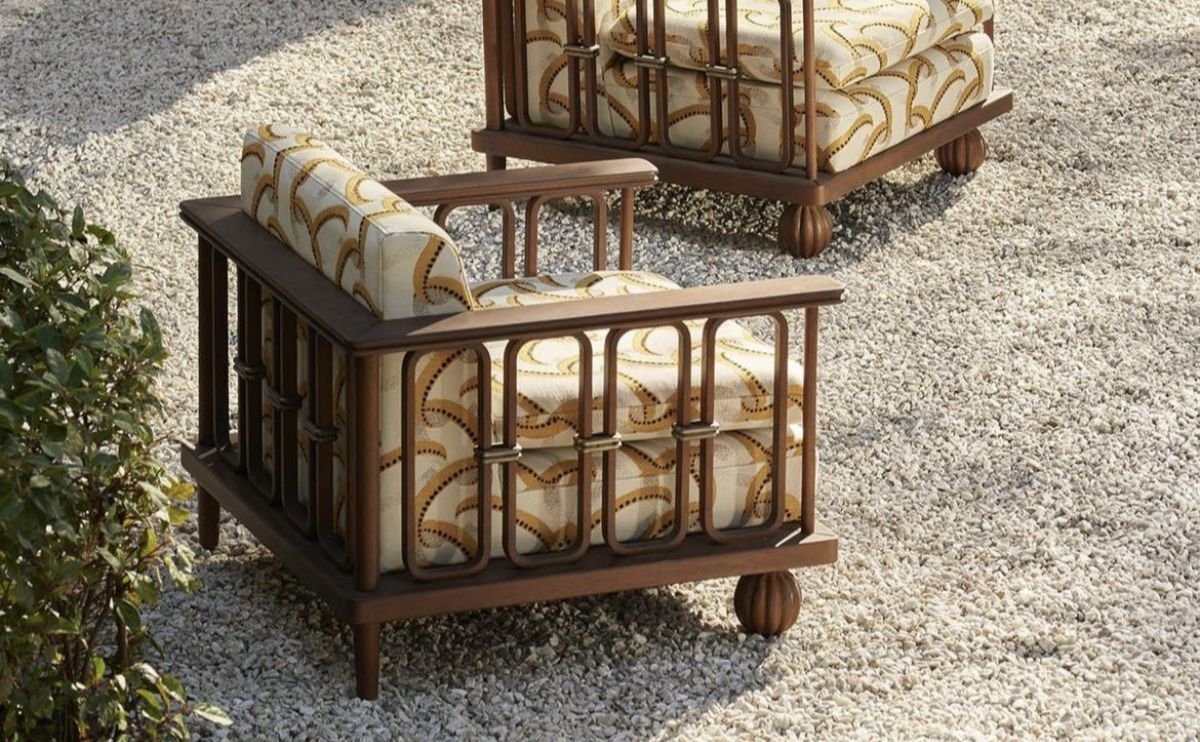
Decide what the chair is for before you shop
Armchairs fail more often from a mismatch of purpose than of quality. Three different jobs need three different chairs:
- Reading and long sitting. Deep seat, high back, supportive arms at elbow height. You want to stay put for two hours.
- Conversation seating. Shallower and more upright, so you lean in rather than sink back. Lighter to move when the room rearranges.
- An accent piece. Chosen mostly for how it looks in the corner, used occasionally. Here you can prioritise shape over comfort — just be honest that this is what you are doing.
Trying to buy one chair that does all three usually produces something that does none of them well.
The measurements that matter
Seat height: 40–45 cm suits most people. Lower reads as a lounge chair and is harder to get out of; higher feels formal.
Seat depth: 50–55 cm for upright sitting, 60 cm and up for sinking in. If you are shorter than about 5’4″, a deep seat means either your feet dangle or your back never reaches the cushion. Test it with your shoes off.
Arm height: should meet your elbow when your shoulders are relaxed, roughly 18–20 cm above the seat. Arms that are too low leave your shoulders hunched all evening.
Overall width: a 75 cm chair is compact, 85 cm is standard, and past 95 cm you are into the territory where two chairs will not fit where you hoped.
Leave room around it
An armchair needs about 60 cm of clear floor in front for legs and standing up, and a side table within arm’s reach — 40 to 60 cm away — or you will end up putting your cup on the floor. A reading chair also needs a light source over your shoulder, so check where the nearest socket is before you settle on a position.
Fabric, leather, or cane
Leather
The most forgiving for daily use: it wipes clean, tolerates pets, and looks better after five years than it did new. Full-grain and top-grain age properly; bonded leather peels. Leather armchairs suit studies and living rooms in dry climates particularly well. The Eloise Chesterfield in dark green is a good example of a deep-buttoned reading chair.
Fabric
Warmer, quieter, and available in every colour, which matters more for an accent chair than for a sofa. Check the rub count — 25,000 or above for a chair in daily use — and strongly prefer removable covers.
Cane and rattan
Light, breathable, and much easier to move around a room. Best with a loose seat cushion. Cane suits warm, humid rooms where leather feels sticky and heavy upholstery feels oppressive.
What is inside
The same rules as sofas apply, in miniature. A kiln-dried hardwood frame, serpentine springs or webbing under the seat, and high-resilience foam of 32 kg/m³ or better. A chair that flexes when you lift one front leg has a frame problem.
Pay attention to the arms specifically. Armchair arms take the load of every person who pushes off them to stand, which is why they loosen first. Grip an arm and try to rock it. It should not move independently of the frame.
Mixing it into a room you already have
An armchair does not need to match the sofa, and matching sets tend to flatten a room. Two things keep a contrast deliberate rather than accidental: repeat a colour that already exists somewhere in the room, even a small one, and keep the leg style in the same family as your other pieces. A tapered wooden leg next to a tapered wooden leg reads as a considered choice regardless of what happens above it.
If you are buying two chairs to flank something, buy them at the same time. Dye lots and finishes vary between production runs.
What to spend
Under ₹15,000 you are buying a shape rather than a chair to live in. Between ₹15,000 and ₹45,000 is where a solid frame, real foam, and decent upholstery start. Above that you are paying for leather, hand-tied springs, or a designer piece. An armchair used daily justifies more than an accent chair used monthly — spend accordingly.
Browse armchairs and accent chairs, or come and sit in a few before you decide.
 Arm Chairs
 Dining Chairs