


Made in Jodhpur – Inside the Furnliv Workshop
Made in Jodhpur
Furniture made at Furnliv’s Jodhpur workshop
Explore the workshop story alongside the furniture categories produced for retail, hospitality, custom and project requirements.

Browse relevant product categories
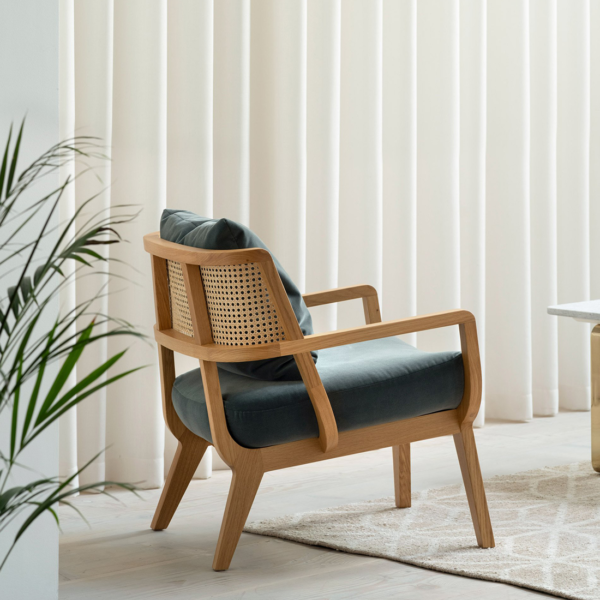
Arm Chairs
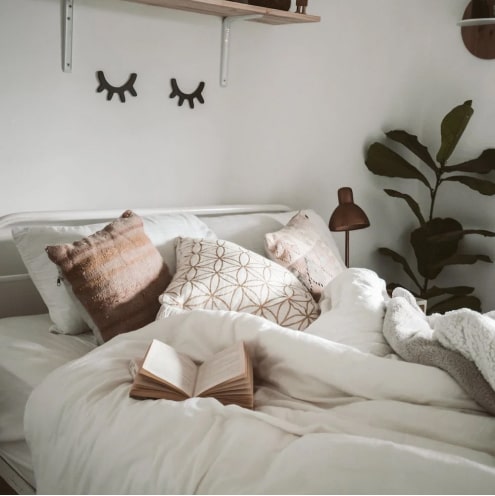
Beds
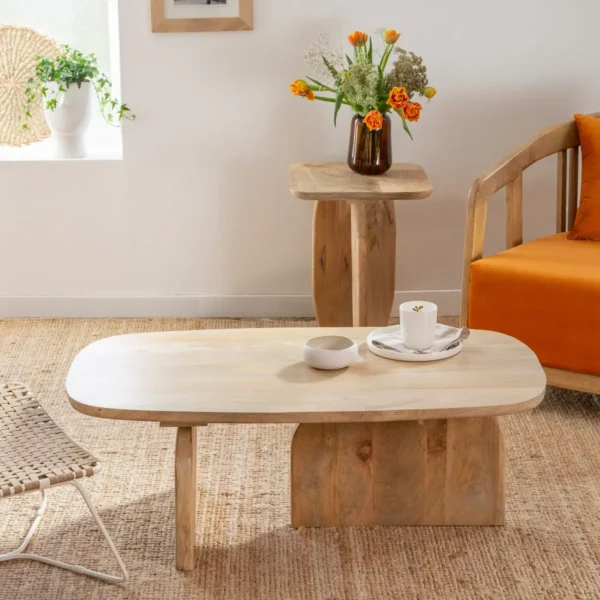
Coffee Tables
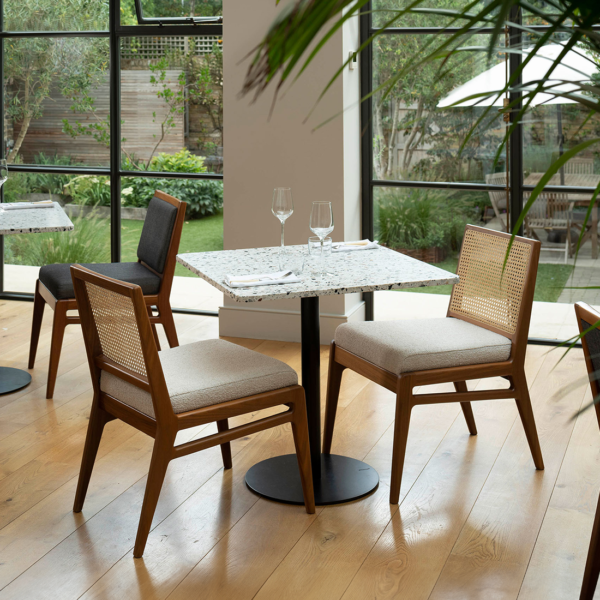
Dining Chairs
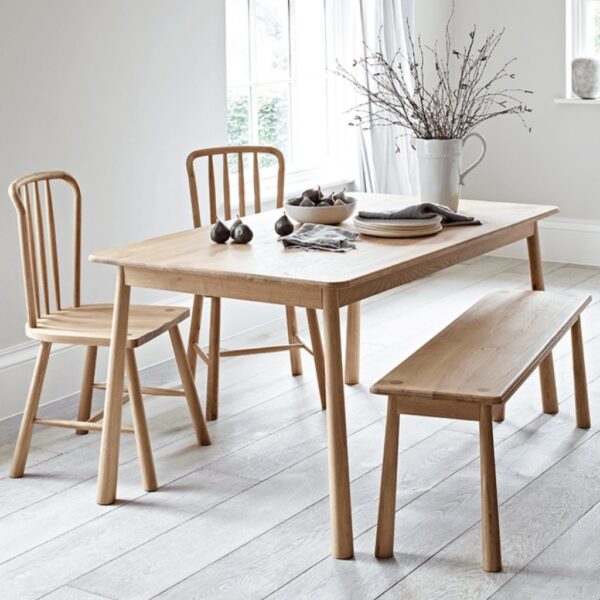
Dining Tables
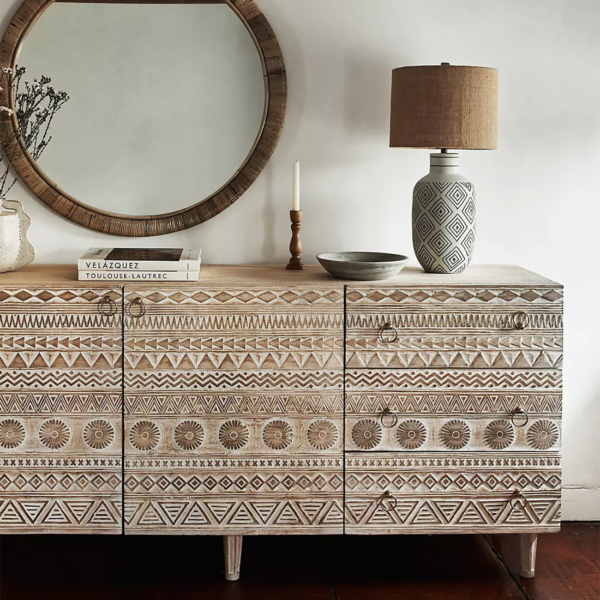
Sideboard
Made in Jodhpur furniture is a phrase that appears on a great many Indian furniture labels, and usually it means the piece passed through the city on its way to a brand that did not build it. There is a reason so much of India’s solid wood furniture carries a Jodhpur address somewhere in its history, even when the label says Delhi, Bangalore or Mumbai.
The city has been working wood for a long time. The trade grew up around Rajasthan’s carved architecture and the jharokha windows and doors that needed skilled joiners, and it never left. Today Jodhpur has thousands of workshops within a few kilometres of one another — timber merchants, seasoning yards, carving units, polishers, upholsterers, hardware suppliers — and an ecosystem where a karigar who has spent twenty years doing nothing but mortise-and-tenon joints is not remarkable.
Furnliv is one of those workshops. We are in Tanavada Industrial Area, on the eastern edge of the city. The difference is that we sell what we make.
What buying made in Jodhpur furniture direct actually changes
We know what’s in the wood. We buy timber directly and season it ourselves. When we tell you a table is solid Sheesham, we’re not repeating a supplier’s claim — we watched it come in as planks.
We can be honest about trade-offs. Mango wood is softer than Sheesham; it dents more easily and costs less. Acacia has more dramatic grain variation, which some people love and some people return. A retailer buying finished stock has an incentive to blur these distinctions. We don’t.
The price is shorter. A piece of furniture that travels workshop → wholesaler → brand → showroom → you picks up a margin at each stop. Ours goes workshop → you.
We can change things. Because the piece is made after you order it, a different length, a different height, a different finish is a conversation rather than a special order. Most changes cost less than people expect. Some cost nothing — see customisation options.
How a piece gets made
Timber selection. Sheesham (Indian rosewood), Acacia and Mango, bought as planks from Jodhpur’s timber market. We reject anything with unstable grain or excessive sapwood before it enters the yard.
Seasoning. Wood is dried to a moisture content in the region of 8–12% before anything is cut. This is the step that gets skipped when furniture is made fast, and it is the reason cheap solid wood furniture splits in its first summer. Under-seasoned wood keeps drying after it becomes a table.
Cutting and joinery. Frames are jointed, not just screwed. Mortise-and-tenon and dowel joints where the load is; that’s what keeps a dining table rigid after a decade of people leaning on it.
Sanding and finishing. Progressive grits, then finish — matte, natural, walnut or distressed depending on the piece. Finishing is where a competent table becomes a good one, and it’s mostly patience.
Quality check and packing. Every piece is checked assembled before it’s crated. Then it ships, anywhere in India, typically within four weeks of order, with free assembly in your room.
How to tell real workshop furniture from a label
If you are comparing made in Jodhpur furniture from different sellers, four questions separate a maker from a reseller:
- What moisture content is the timber dried to? A maker knows the number. A reseller says “well seasoned”.
- Are the frames jointed or screwed? Ask specifically about the joint where a bed side rail meets the leg, or where a chair leg meets the seat.
- Can the dimensions change? Only someone building it can say yes.
- Can I see it being made? The most reliable question of all.
Our guide to solid wood goes further into reading a joint and spotting unseasoned timber, wherever you end up buying.
Local furniture projects from the Jodhpur workshop
Workshop capability is most useful when it can be connected to completed project work. Furnliv’s Furniture Resources and Buying Guides hub brings together project specifications, procurement guidance, materials and completed-project references.
A current local example is the Savaya Café furniture project in Jodhpur. Furnliv supplied 79 indoor and outdoor furniture units for the café near DPS Circle, Pal, including dining chairs, two-seater and four-seater tables, sofas, outdoor metal chairs and outdoor metal dining tables. The project was delivered in June 2025.
Come and see
If you’re in Jodhpur, the workshop is open. It is a workshop — there is sawdust, and it is loud — but you are welcome to walk the floor and watch your furniture being made. Call +91 91667 60900 first so someone is free to show you round, and see visiting the workshop for directions and hours.
Or start with a room: dining, bedroom, living or storage. Browse everything in the shop, or read more about Furnliv, a furniture manufacturer in Jodhpur. For trade and volume, see bulk orders and the trade programme.
Explore the workshop in more detail: see Manufacturing Process, Quality Control, Furniture Materials and Furniture Manufacturer in Jodhpur.
 Arm Chairs
 Dining Chairs