


Solid Wood Furniture Guides and Buying Advice
How to choose a dining table: a buying guide

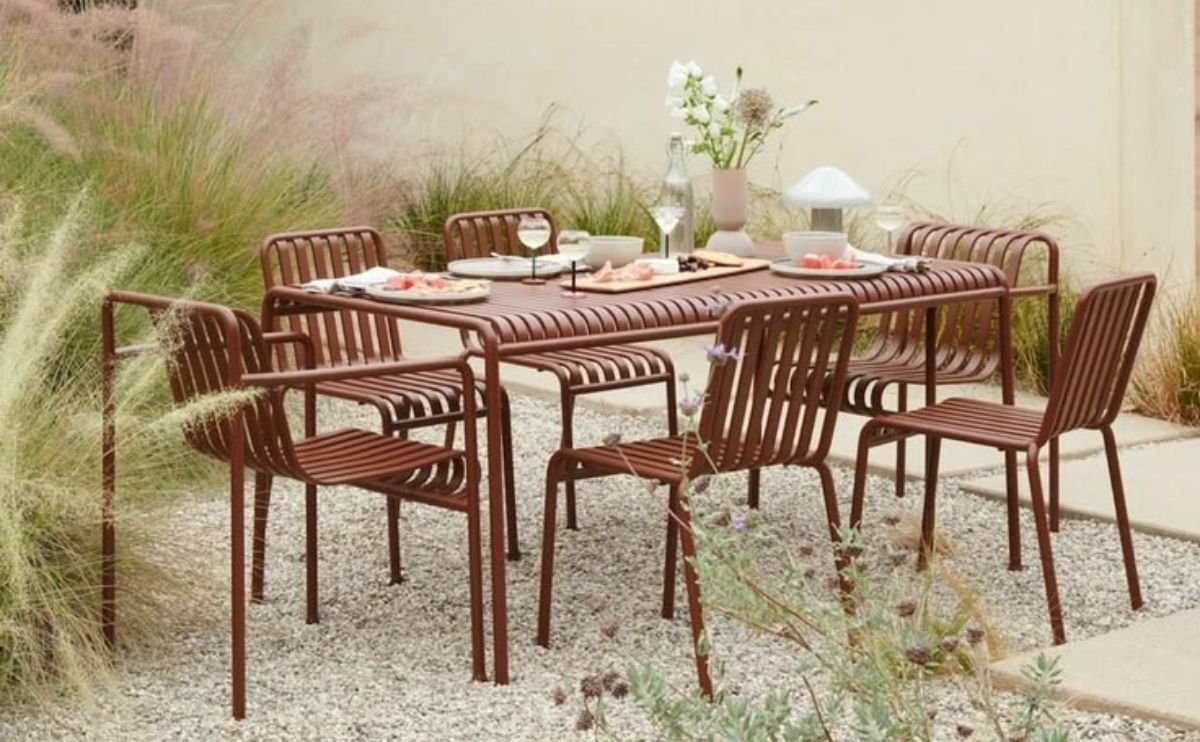
Size it by the room, then by the guest list
A dining table needs 90 cm of clear space on every side. That is not a comfort figure, it is the minimum for pulling a chair out and walking behind someone who is seated. Measure your room, subtract 180 cm from each dimension, and whatever is left is the largest table that will actually work.
A 3.0 m × 3.6 m dining room, for example, leaves room for a table up to roughly 120 cm × 180 cm — a comfortable six-seater.
Then size by people, allowing 60 cm of edge per person:
- Four seats: 120 × 75 cm
- Six seats: 180 × 90 cm
- Eight seats: 240 × 90 cm
Buy for how you eat on an ordinary Tuesday, not for the one dinner a year with twelve guests. An extendable table or a pair of folding chairs solves the annual problem better than a table that dominates the room for the other 364 days.
Shape changes how the room works
Rectangular
The most efficient use of a rectangular room and the easiest to seat many people around. The two end seats are slightly worse for conversation.
Round
Better for talking, since everyone can see everyone, and safer in tight rooms because there are no corners to catch a hip. A 120 cm round table seats four comfortably; 150 cm seats six. Round tables stop being practical above about 160 cm, because nobody can reach the middle.
Square
Works well for four in a square room, and looks deliberate rather than default. Awkward beyond four.
Oval
A rectangular table’s capacity with a round table’s circulation. Good in narrow rooms where a sharp corner sits on a walkway.
Base and leg position matter more than people expect
This is the detail most often discovered too late. Four corner legs are the strongest arrangement but they dictate exactly where people can sit, and a chair with arms may not fit between them. A pedestal or trestle base gives you far more freedom to squeeze in an extra person, at some cost in stability.
If you are choosing legs, check the apron — the rail under the tabletop. A deep apron can stop armchairs sliding under entirely. Measure your chair’s arm height against it.
Tabletop materials
Solid wood
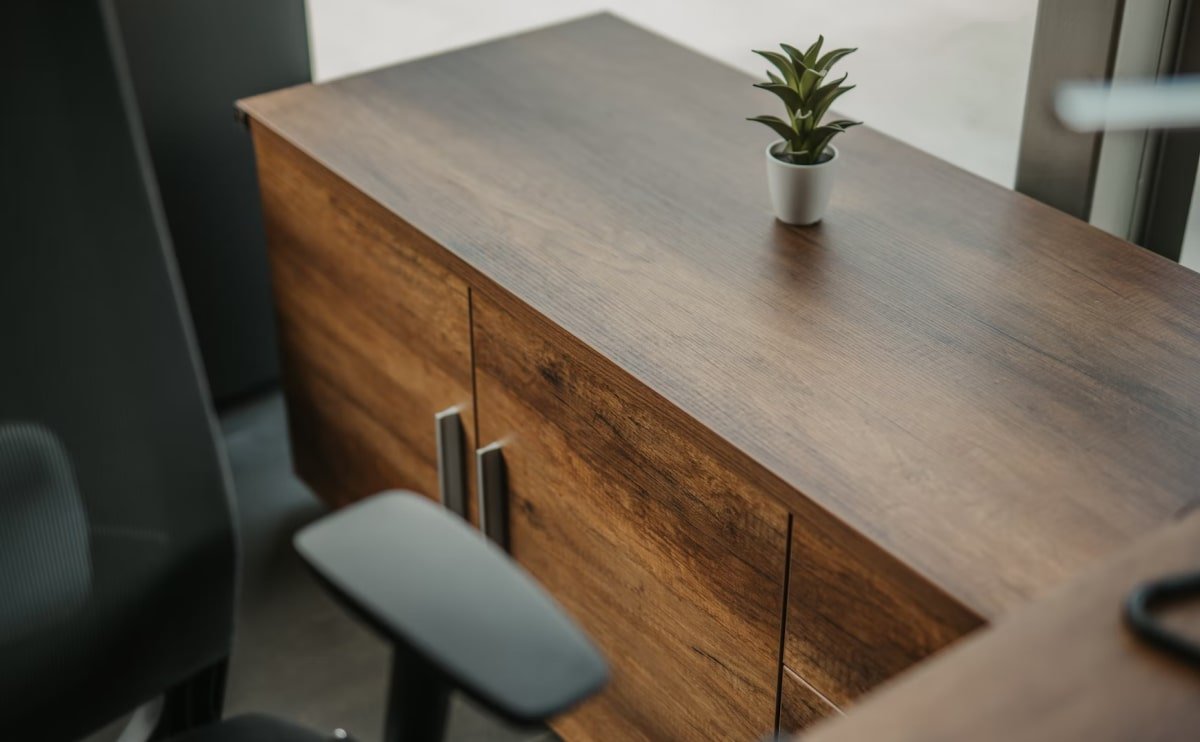
Repairable, which nothing else on this list really is. Scratches sand out and the table can be refinished decades later. Solid wood moves with humidity, so expect small seasonal gaps in a well-made top; that is the wood working, not a defect. Our Adam four-seater in dark brown is a solid-wood build at the accessible end.
Veneer over engineered board
More stable than solid wood and much cheaper, with a real wood surface. The catch is that it cannot be sanded — one deep scratch is permanent. Fine for careful households.
Glass
Visually light, which helps small rooms enormously. It also shows every fingerprint and is loud in use. Insist on toughened glass at least 10 mm thick.
Stone and sintered surfaces
Heat-proof and effectively indestructible. Marble stains from turmeric, lemon, and wine unless it is properly sealed and resealed, which is a real consideration in an Indian kitchen. Sintered stone has the look without the staining.
Height and clearance
Standard dining height is 75 cm, and there is little reason to deviate. What varies is the clearance underneath: you want 28–30 cm between the seat of the chair and the underside of the apron. Check this number if you are buying a table and chairs separately.
Before you buy
- Push down on one corner. Any rock in the showroom will be worse on an uneven floor at home.
- Look under the top. Corner brackets and a proper apron mean it will stay square.
- Bring your chair’s dimensions if you already own chairs.
- Ask how it is finished. An oiled top is repairable at home; a lacquered one is not, but resists spills better.
- Check the delivery route, especially for tables with non-removable legs.
Browse dining tables and dining chairs, or read our companion guide to choosing dining chairs.
 Arm Chairs
 Dining Chairs